How to Transition from Traditional School to Online School
Digital technology is not only transforming the way we work, but also the educational landscape. For this reason, many families are rethinking how and where their children learn. Whether prompted by flexibility, relocation, health concerns or a desire for a more personalised learning experience, the move from a traditional school to online school has become a meaningful and empowering shift for learners of all ages. However, success is highly dependent on preparation, structure and the right mindset.
To make a smooth transition, this helpful guide explores what to expect, how to prepare and how to thrive in a digital education environment.
Why Make the Switch?
Families choose online learning for a variety of reasons. For some, it’s about flexibility, being able to study from anywhere and learn at their own pace. For others, it’s a solution to challenges such as
anxiety, bullying or frequent relocations. Online schooling also provides a strong option for learners with special needs as it offers a comfortable space for them to learn in their own way.
The credibility of digital education is continuously growing. With well-structured curricula and qualified teachers, online schools like Evolve provide the same academic rigour as traditional schools. They also integrate technology and self-discipline skills that prepare learners for future study and work environments.
Understand the Differences Between a Traditional Classroom and a Virtual One
The biggest change when moving from a traditional classroom to a
virtual classroom lies in the structure. Instead of fixed timetables and face-to-face teaching, students engage with lessons through interactive platforms and digital resources.
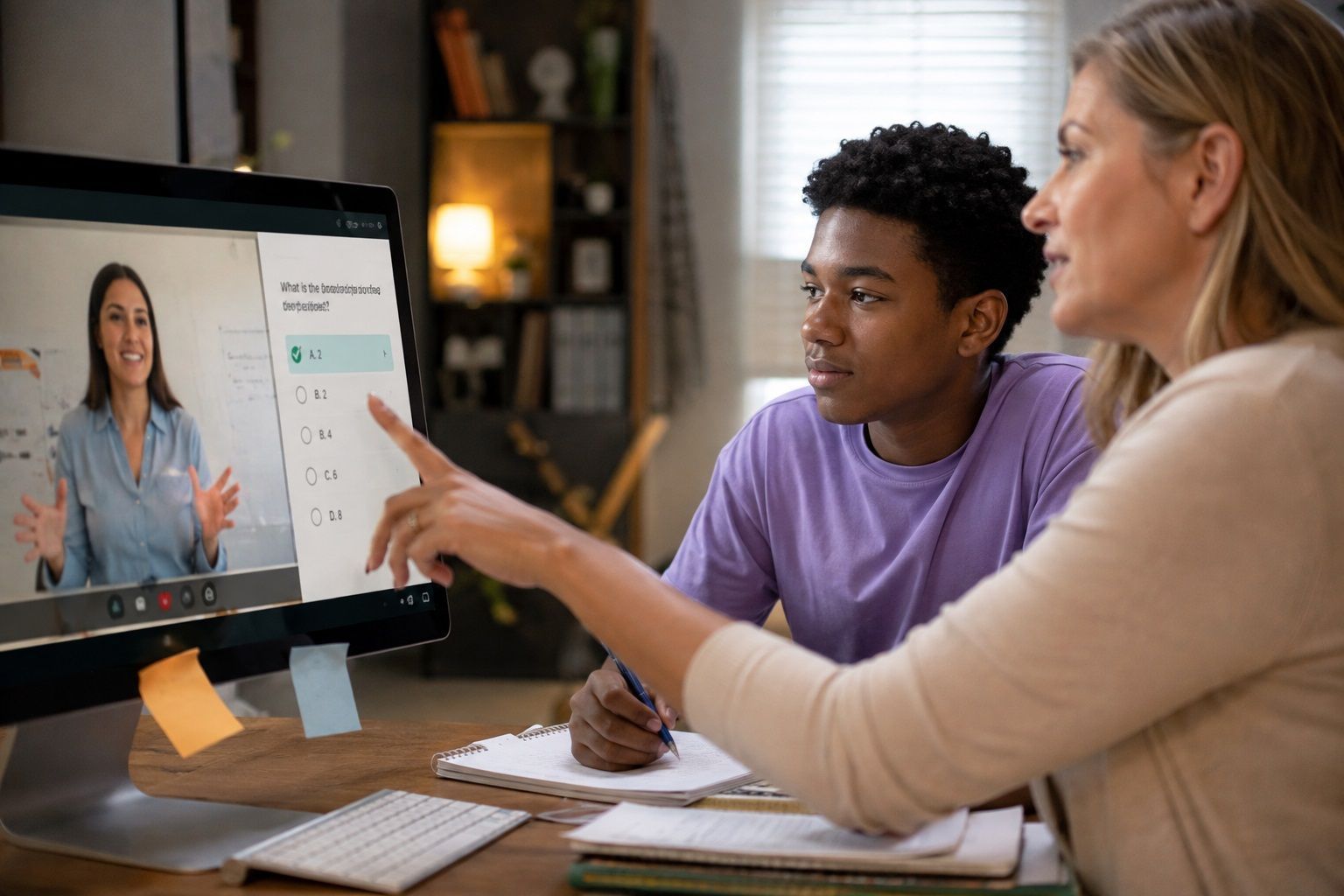
Communication with teachers happens through chat, video calls and forums, promoting independent learning and digital collaboration. This approach ensures that students take greater responsibility for their progress, developing time-management and problem-solving skills along the way. Parents also become more involved in their child’s learning journey and are able to guide them as they adapt to this new rhythm.
Preparing for the Transition
Before moving from a
traditional school to online school, it’s important for families to plan ahead.
Below is a checklist for parents and students:
- Research accredited programmes: Look for institutions offering recognised home education online curricula such as IEB or Cambridge
- Understand curriculum changes: Some subjects or assessment styles may differ. Reviewing course outlines in advance reduces surprises later.
- Set expectations: Discuss daily routines, screen time and accountability.
- Emotional preparation: Talk about why the switch is happening and set goals together. This could be to improve focus, achieve better balance or to free up more time for hobbies.
Transitioning works best when both parents and learners see it as an opportunity for growth and not just a logistical change.
Read our article on A Parent's Guide To Online Education at Home!
Setting Up Your Online Learning Environment
A strong
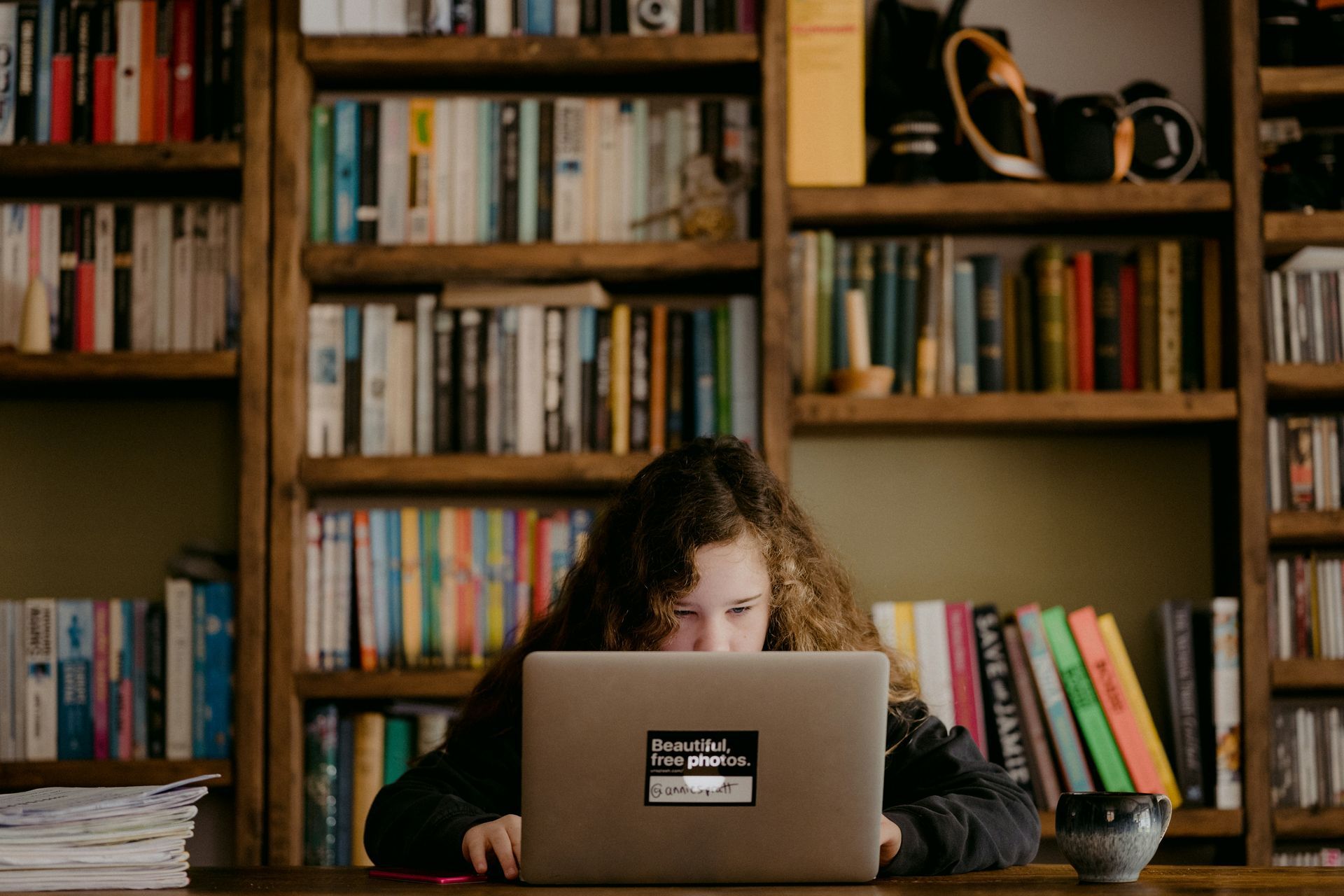
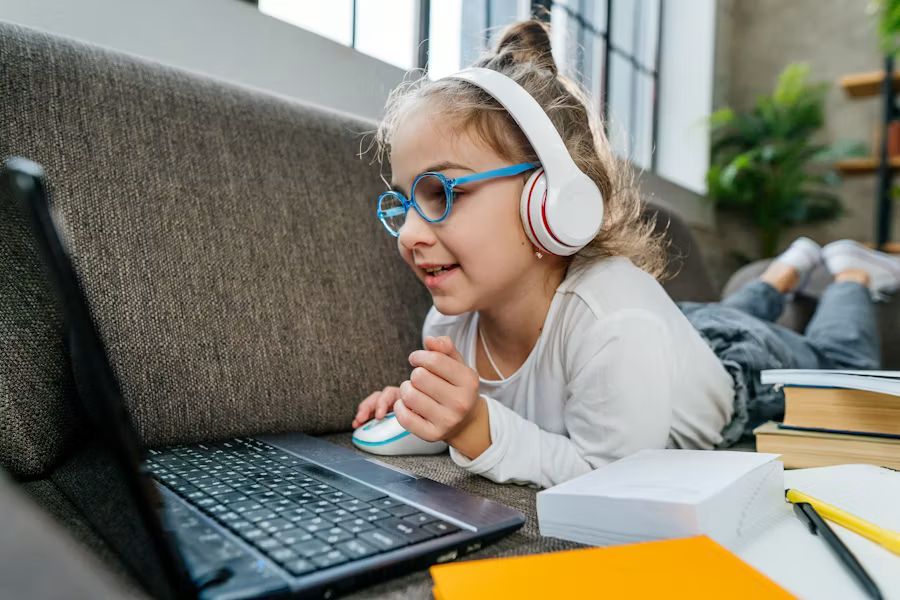
online learning setup helps create structure and focus. Choose a quiet, well-lit study area with minimal distractions. Equip it with all essentials such as a laptop or desktop computer, a reliable internet connection as well as access to necessary software and learning platforms.
Comfort matters too. Make sure there’s an ergonomic chair, the desk is at the correct height and regular movement breaks are incorporated to prevent fatigue. Encourage learners to personalise their space with motivating touches like plants, calendars or vision boards. A well-organised study environment sets the tone for productivity and consistency in the e-learning environment.
Building a New Routine
Routine is key to online school success. Start and end the day at consistent times, following a daily or weekly timetable that includes lessons, assignments and revision.
Use planners or digital tools to track progress and deadlines. Incorporate short breaks for exercise and meals to maintain focus and well-being. It is also important to reserve time for social interaction, like online chats, study groups or extracurricular clubs. This interaction helps students feel connected and engaged even in a digital space.
How to Support Mental and Emotional Well-being
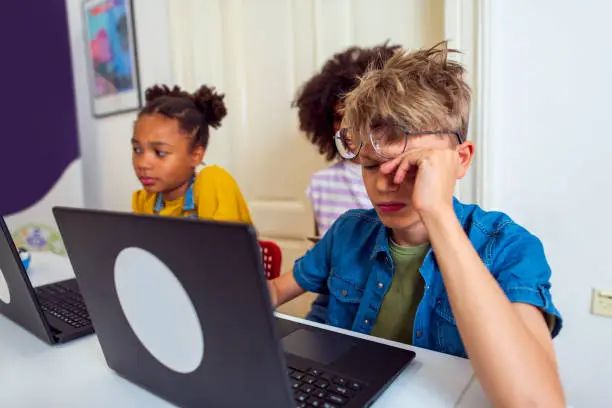
While online learning brings flexibility, it can also lead to isolation or screen fatigue. Encourage learners to maintain healthy boundaries by taking breaks from their devices, spending time outdoors and practising mindfulness.
Parents can help by scheduling family time and encouraging social connections with peers through online clubs or community events. If stress or demotivation becomes an issue, don’t hesitate to seek professional support. Emotional well-being is a key part of long-term academic success.
What Are Common Challenges and How to Overcome Them
Homeschooling transition comes with its own hurdles. Common issues include distractions at home, occasional technology failures or dips in motivation.
These challenges are best handled through consistency and communication. Set daily goals, maintain a quiet workspace and ensure access to technical support. Parents should check in regularly to offer encouragement and guidance and not to control learning.
Despite the challenges, there are many advantages to online high schools in South Africa. When entering this type of learning, it can be very different from what students and parents are used to, but that difference can become a powerful advantage. Learners gain independence, adaptability and digital fluency, all skills that are essential in today’s world. They also have the flexibility to learn at their own pace, revisit lessons when needed and explore subjects in greater depth.
Parent Involvement and Supervision
In a digital education model,
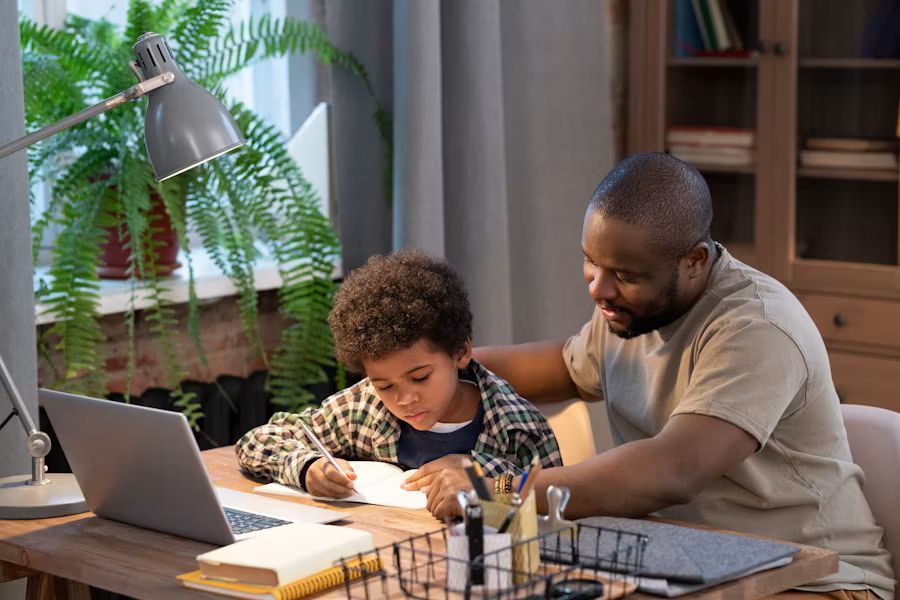
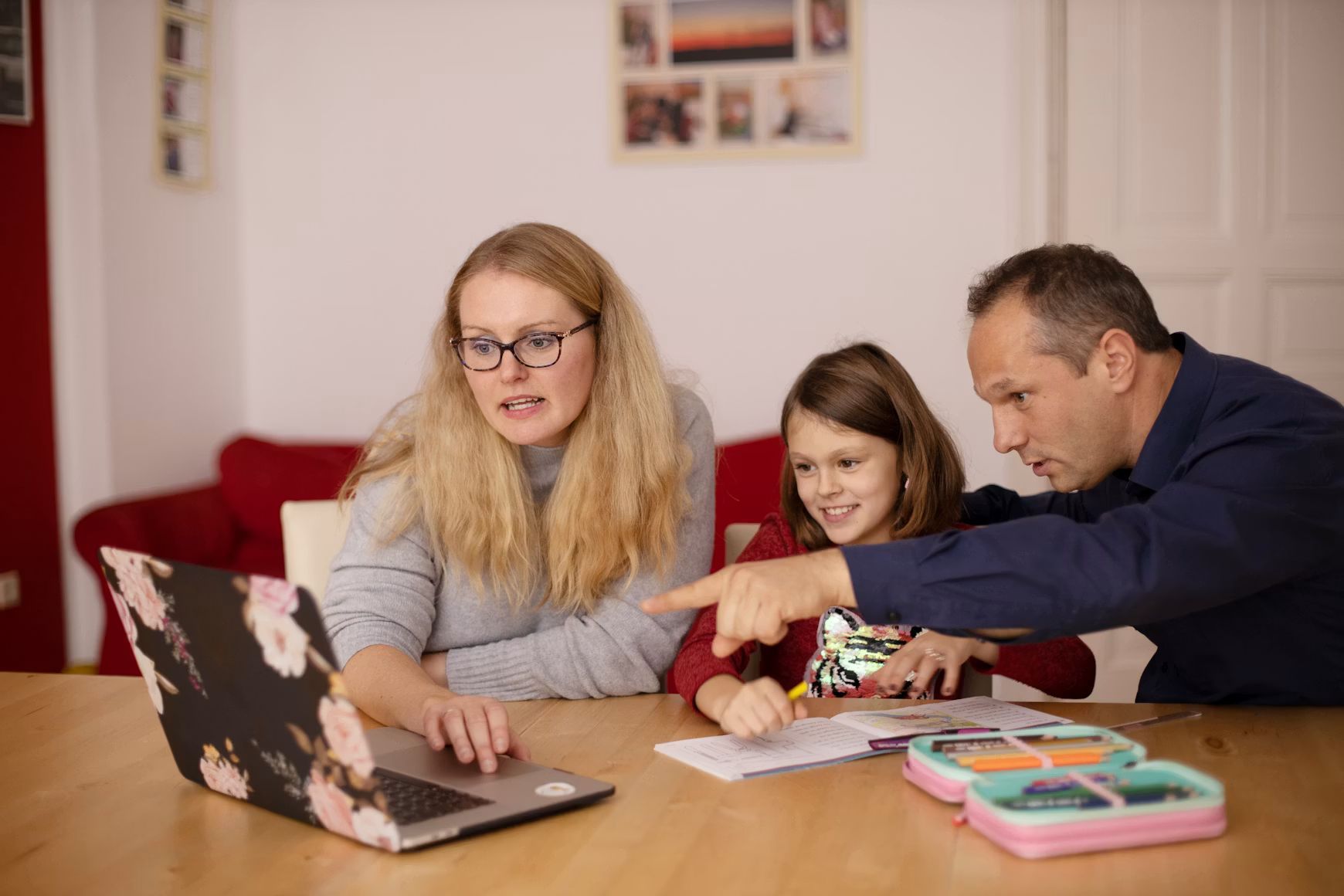
parents become learning partners. Their role involves monitoring progress, celebrating achievements and helping learners stay organised.
However, balancing support with independence is crucial. Encourage children to take responsibility for their learning, but remain available for feedback and motivation. Over time, learners develop confidence and self-discipline, skills that will serve them well in university and beyond.
How to Evaluate Success and Make Adjustments
After a few months, take the time to assess how the transition is going. Are learning goals being met? Is your child engaged and happy? Evaluate both academic performance and personal well-being.
If needed, make adjustments. This could be refining schedules, adding new study techniques or seeking additional tutor support. Online learning is flexible by nature and that flexibility should be used to refine and personalise each student’s educational journey.
Final Thoughts
Transitioning from
traditional school to online school can be one of the most rewarding decisions a family makes. While it requires planning, discipline and adaptation, the benefits such as flexibility, personalised learning and academic independence, are long-lasting.
Remember that adjustment takes time. But, with structure, emotional support and the right resources, learners will not only adapt but excel in their virtual classroom experience. Schools like Evolve Online provide the foundation, guidance and community that make digital learning a powerful and fulfilling choice for the modern world. Find out more about what we offer