The Power of Personalised Learning: Transforming Education for Every Child
Transforming Education for Every Child
Introduction
In this week’s podcast, we are diving into personalised learning and how it can transform a child's educational experience. In a previous podcast, we discussed the mastery-based approach to learning, which is closely linked to being able to implement personalised learning. In this Blog, we explore how these two methodologies intertwine and the opportunities they bring to transform education.
Breaking the Barriers of Traditional Education
We live in a time where customisation and individualisation are increasingly valued, yet traditional schooling systems need help finding ways to implement personalised learning on a large scale. Professor Justin Reich, from the Massachusetts Institute of Technology's Learning Lab, sheds light on this challenge in his book "Failure to Disrupt." According to Reich, no school or schooling system has successfully achieved personalised learning at scale.
Personalisation within Schools
While full-scale implementation is complex, schools can incorporate personalisation elements into their learning environments. Teachers often naturally tailor their instruction to meet the unique needs of their students. However, ensuring consistent personalisation throughout a school system poses a significant challenge. The design of educational systems typically revolves around standardised approaches to deliver equal educational experiences to all students. As he points out, “In the late 2000s, education reformers developed an interlocking pair of narratives about “personalized learning” and “disruptive innovation” that explained why and how Bloom’s vision of computerized tutors for every child could be brought into reality. The most ambitious blueprints to put personalized learning at the center of students’ school experience called for a dramatic reorganization of schooling institutions. These models called for new schedules, new teaching roles, and new learning spaces. Very few schools adopted these personalized learning blueprints in any substantial way.”
The Challenge of Scale
School systems prioritise providing all children with a core level of education, making it challenging to allocate individual attention and resources necessary for personalised learning. The smooth operation of the school’s day dictates that students follow a fixed timetable that slices the learning into distinct and isolated subjects that must start and end at a predetermined time. At scale, this model successfully ensures that every child has equal exposure to the curriculum and a fair share of teacher time. The classrooms' architecture, the teachers' mindsets, and the lack of an explicit theory of change adds complexity and undermines efforts to establish a sustainable personalisation approach for every child.
https://miro.medium.com/v2/resize:fit:540/1*g8uaSH54wK9FSDvvYqRqZw.png
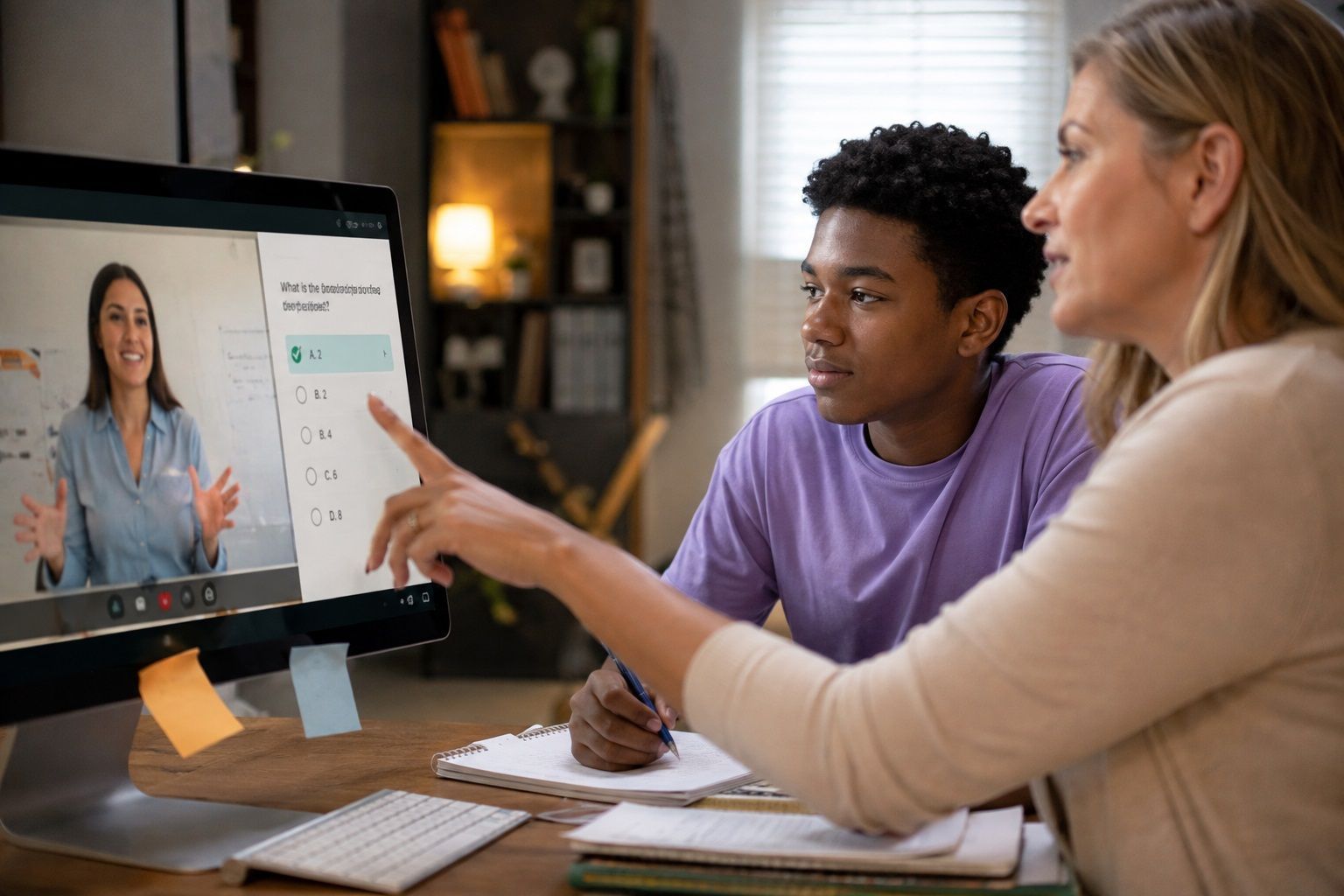
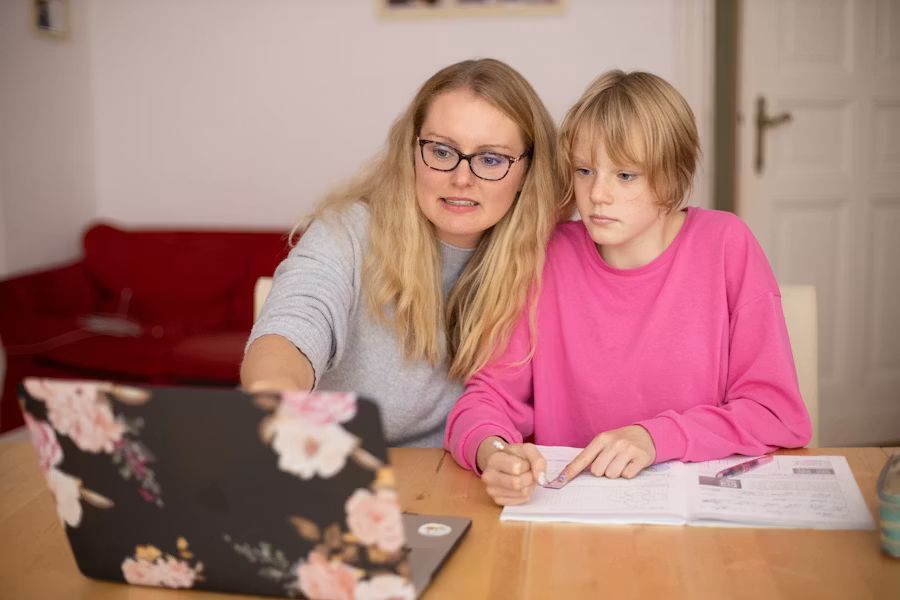
In this context, some parents opt for one-on-one tutoring to provide personalised attention to their children. While this approach is effective, it is expensive and may only be feasible for some parents due to resource constraints. It also can result in a disconnect from what is being taught in class, and parents need help to assess the effectiveness and value of the tutor.
The Power of Technology in Personalised Learning
Teachers adopting new models of teaching and Technology is the key to unlocking personalised learning at scale. When teachers approach their teaching with a mastery mindset and leverage technology, they can personalise three key components of the learning experience: The pace of learning, the content being taught, and the assessment process.
Personalising the Pace of Learning: Online schooling models that blend live teaching with independent work allow children to progress at their own pace. Students can engage with their studies during their optimal learning times, whether in the morning or afternoon. Furthermore, they can delve deeper into subjects they feel passionate about, fostering a love for learning. The optimal approach will encourage a mixture of structured classes where they can interact with their peers and a Learner Management System that can be used on demand and at times that suit each child’s learning rhythm. The mastery approach also allows students to redo work to reduce gaps in their learning and benefit from reflecting on their successes and identified points of growth.
Personalising the Content: Tailoring teaching materials to cater to different learning styles and preferences is resource intensive. However, technology-based systems and adaptive algorithms have the potential to curate and deliver content based on individual needs. These systems can track the effectiveness of various approaches, ensuring each child receives the support they require. Advances in Artificial Intelligence are opening new possibilities for students and teachers.
An example is the Khanmigo[2] initiative. Teachers are also using AI to rewrite the content of their lessons to make it accessible to children at different stages of their learning.
Personalising the Assessment of Learning: Technology can facilitate personalised assessments by granting students the flexibility to take tests when they are ready and allowing them to retake them if necessary. Adaptive algorithms provide adaptability and customisation in assessment systems, ensuring a fair evaluation of each child's progress.
The advent of artificial intelligence and adaptive algorithms has opened new possibilities for achieving personalised assessment at scale. Digital delivery systems and Learner Management Systems can be used to create and automate alternate pathways for each child, accommodating their individual needs and fostering their educational growth.
Conclusion
Personalised learning has the potential to revolutionise education. While challenges exist, technology serves as the bridge that can enable personalisation at scale. At Evolve Online School, we firmly believe that personalised learning is both possible and inevitable in the future of education.
We highly value your thoughts and ideas. Please share your comments below, letting us know if you agree or disagree with our perspective.
Colin Northmore